Feeds:
Posts
Comments

Hello, Dear Readers!

If you’ve been following along this week, then you know that today’s post is a photo tutorial on how to make pour-over coffee. First things first, put a kettle of water on to boil. I use an electric kettle, as they’re fast and convenient.

Now it’s time to grind your coffee beans.

I use a Hario Skerton burr grinder, on a recommendation from a savvy barista at Fourbarrel

Measure out 20 grams of beans into your burr grinder, then grind them on a medium-ish setting. Too course and you’ll end up with weak coffee, too fine and your filter won’t work as well, resulting in a bitter brew.

kitchen scales are a great tool for consistent brewing results

Now, take your coffee filter and fold it according to the directions on the box.

Chemex filters come unfolded. A little fussy, but they do work well!

Place the filter in the coffee maker like so.

. . . yeah I got nothin'.

Next, pour your coffee grounds into the filter.

action shot

At this point, your water should be nice and hot. Measure 12 ounces (1 1/2 cups) of boiling water into a pour-over kettle.

another opportunity to use your trusty kitchen scale.

Next, pour a small amount of water over the grounds, just enough to get them evenly dampened. Let the grounds sit for about 30 seconds. This step is called “blooming” the coffee, and it allows the coffee to release some CO2 before brewing.

just enough water to wet the grounds evenly

You’ll see bubbles come up to the surface of the coffee.

see those bubbles? the coffee is ready to brew.

Now it’s time to add the rest of your water. With a steady hand, slowly pour the water in circles over the coffee grounds, taking care not to pour water down the sides of the filter. Continue pouring at a steady rate until the water is used up.

easy does it.

Now, wait for the rest of the water to filter through the grounds.

this will only take a minute or two.

If you’ve done a good job with your pour-over technique, you’ll see grounds clinging to the sides of the filter evenly from top to bottom.

see how the grounds cling to the sides of the filter?

Serve your coffee while it’s nice and hot.

fuzzy robe optional

Add some steamed milk if you please (I do).

I use a Krups XL2000 Milk Frother. It's pricey, but awesome.

Et voila! A perfect cup of pour-over coffee.

Philz Ambrosia blend, a.k.a. nectar of the gods

As usual, I can’t resist adding a couple final notes. Here are my last two cents:

1. If you want, you can pour boiling water over the filter before you add any grounds. True pour-over-philes believe that this produces a better cup of coffee. I have brewed coffee with a pre-wetted filter and without, and I have not noticed a difference in the flavor of the resulting coffee. To each his own.

2. Great coffee depends on great coffee beans. Buy yours from your favorite local roaster, and always use them fresh, within a couple weeks of purchase. Store them in an air-tight container if you can, too.

. . . and that wraps up this week’s two-part series on pour-over coffee! Thanks for tuning in.

In my breakfast post last week, I mentioned that I start nearly every morning with a mug of pour-over coffee. Brewing coffee at home is a ritual I look forward to at the start of each day, and I daresay I’ve got a method down that produces a deliciously smooth brew.

There are many ways to brew coffee at home. There are french presses, which are great if you like coffee with a little texture — some of the grinds invariably end up at the bottom of the cup, providing a silty surprise if you choose to take a final sip. Automatic drip coffee makers are convenient, but I haven’t yet found one that produces coffee to my liking — more often than not, drip coffee is bitter and over-extracted. There’s a plastic contraption called an AeroPress that many of my friends rave about, which presses a fairly concentrated cup of coffee, something between espresso and a regular drip. Many AeroPress users add hot water to the final brew, similar to making an Americano if you’re using an espresso machine. While I’ve heard great things about the AeroPress, I’m not too keen on pouring boiling water over plastic.

I like to go a little more old-school. I brew my coffee with a Chemex brand coffee maker, just like the one my dad used in the 70s. Consisting of no more than a scientific-looking glass flask with a stay-cool wood collar, it’s an entirely unplugged method of making coffee.

Before it’s time to start brewing the coffee, you’ve got to grind your beans. Freshly ground coffee beans produce the most aromatic and delicious cup of coffee. It’s just like grinding your spices fresh — think about the aroma of a jar of ground nutmeg, then compare that to the cloud of perfume produced when you microplane your own from a whole nutmeg seed. Coffee behaves in a similar fashion.

I like to grind my beans with a ceramic burr grinder. While blade grinders are much cheaper, they cut the beans randomly, producing unevenly-sized grounds that make a silty and bitter cup of coffee. Burr grinders produce a much more even grind, which in turn produces a smooth brew. They’re also infinitely adjustable, so you can tweak the coarseness of the grind. If you’re serious about your at-home set-up, go with a burr grinder. Ceramic ones are best, and they come in both manual and electric models. I use a manual grinder, which takes a little more elbow grease but costs about half as much.

I use a couple other pieces of equipment when brewing coffee — one is a Hario kettle, which is standard equipment for hand-made coffee enthusiasts. The small spout allows for a focused, easy-to-control flow of water, making for a painless pour-over experience. While not entirely necessary, it certainly adds to the enjoyment of the process. Rest assured that if you don’t want to drop fifty bucks for a Hario kettle, you can pour your hot water from a regular tea kettle to produce a comparable cup of coffee.

I also like to use a kitchen scale for brewing my coffee — I find that 20 grams of beans produces a perfect brew when combined with 12 ounces of water. This is another slightly unnecessary piece of equipment — If you prefer not to weigh your ingredients, use a scant 1/4 cup of beans and 1 1/2 cups of water your first time out, then adjust for your personal taste.

And finally, there are the coffee beans. Their flavor and quality depends on many variables. For one, coffee beans are roasted in a variety of shades, from light to dark. Light roasts are the highest in caffeine, and also tend to have the most acidic kick. Medium roasts are a bit mellower, often having nutty or caramelly undertones. Dark roasts are the lowest in caffeine, but can be bitter if taken too far.

Another variable is the variety of coffee bean, since each species has its own flavor profile. Growing locale matters too — regional differences in soil and climate produce differently-flavored beans.

I prefer medium-roasted beans, and I like to try all kinds of different varieties. My neighborhood is home to some amazing roasters, and each is passionate about the quality of their product. Ritual, Philz, FourBarrel, and Blue Bottle beans are some of my favorites. There is no “right” coffee to use — your personal taste is the most important factor when choosing coffee beans. Go ahead and try different ones to find your favorite variety. Any good coffee roaster will sell you beans in half-pound or quarter-pound quantities, so you can experiment with small amounts instead of committing to a whole pound.

There you have it — a summary of what goes into a quality cup of pour-over coffee. This Friday, I’ll be posting a full photo tutorial of how to brew the perfect cup.

Arepas

Eating a gluten-free diet can really make you miss a good sandwich. Despite what many will tell you, gluten-free sandwich bread usually isn’t that great. It never exactly approximates wheat-y bread, usually suffering from a gritty texture, brick-like density, or a bland, white rice-y flavor. Many GF folks forego sandwiches entirely, preferring to eat foods that are naturally gluten-free. After all, it’s a better bet to eat something you know will be delicious, rather than a fake-y pretender that will never be as good as the real thing.

Enter arepas. This delicious, corn-based flatbread manages an uncommon feat in the gluten-free world — arepas allow you to make a delicious sandwich without suffering the pitfalls of gluten-free sandwich bread. A Venezuelan specialty, they’re made from arepa flour, a specially-processed corn flour available in Hispanic markets and online. When cooked, arepas look and act much like English muffins. They’re wonderful served piping hot straight out of the oven, split down the middle, and filled with your sandwich ingredients of choice. Crispy on the outside and slightly chewy on the inside, their texture is irresistible. Furthermore, their mildly corn-y flavor pairs well with ingredients from a variety of cuisines. I’d venture a guess that a hot, melty arepa pb&j would be out of this world. Let me know if you try it!

Today I went a pretty traditional route, filling my arepas with leftover cooked, sliced chicken breast, avocado, cheddar cheese, and a sprinkling of green onions and cilantro. The combination was fantastic, and a little salsa on the side didn’t hurt things either. I’ve listed quantities for my fillings below, but you can eat your arepas with any filling you like! From butter and jam to ham and swiss, arepas are endlessly adaptable.

Arepas 

makes 6 arepas

for the dough:

2 1/2 C. (20 oz.) lukewarm water

1 tsp. olive oil

1 tsp. kosher salt

2 cups (330 g.) P.A.N. arepa flour

1 Tbsp. olive oil (for cooking)

for the filling:

1/2 lb. cooked chicken breast

1 medium avocado, sliced thinly

3 oz. sharp cheddar cheese, grated on a coarse microplane

2 green onions, sliced thinly

2 sprigs cilantro, chopped

1/2 C. salsa (on the side)

1. Preheat oven to 350F and line a baking sheet with parchment paper.

2. In a medium mixing bowl, combine the water, 1 tsp. olive oil, and salt. Stir until the salt is dissolved.

3. Pouring the cornmeal into the mixing bowl with the other ingredients in a slow, even stream, mixing with a dough whisk as you pour.

4. When all of the cornmeal has been incorporated into the water, continue to knead with the dough whisk for an additional 5 minutes.

5. Cover a large cutting board with plastic wrap. Set aside.

6. Divide the kneaded dough into even six pieces (about 150 g. each). The dough will be a bit sticky — wet your hands to make it easier to handle. Use your hands to shape each piece into a flat disk, about half an inch thick and 5″ in diameter. As you shape the disks, place them on the plastic wrap-covered cutting board. This will make it easy to transfer them to the skillet.

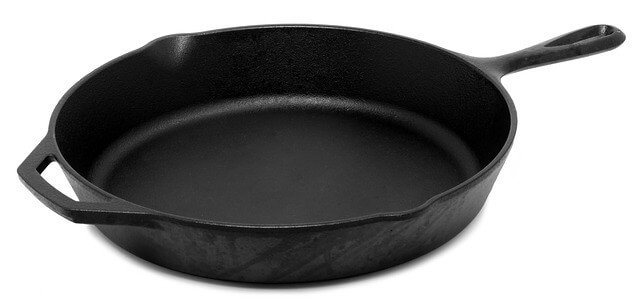
6. Heat the remaining 1 Tbsp. olive oil in a large (12-inch) non-stick skillet over medium heat. Gently place the arepas in the pan and cook them for five minutes on each side (10 minutes total). When the arepas are golden brown on both sides, transfer them to the parchment-lined baking sheet.

7. Bake the arepas for 35-40 minutes, or until they sound hollow when tapped.

8. Serve arepas immediately. Split them in half while still hot out of the oven, then fill with desired fillings. Serve with salsa.


As far as mornings go, I am very much a creature of habit. I wake up in a fog, thankful that muscle memory will carry me through the tasks of grinding beans, boiling some water, and brewing a mug of pour-over, medium-roasted coffee. I savor my coffee as I go over the day’s tasks, coming up with a plan of attack as the caffeine kicks in.

Next, it’s time to make some kasha for breakfast. To most people, kasha means buckwheat groats, but in actuality, the term refers to porridge in general. It can be made with wheat, barley, oats, millet, rye, or pretty much any grain you please. I make myself some sort of kasha nearly every morning — a bowlful of hot cereal really hits the spot, and it’s one of the few meals sure to carry me through to lunchtime.

One of my favorite grains to use for kasha is amaranth. It’s actually a pseudocereal like quinoa, with a similarly grassy aroma. Prepared as a porridge, amaranth seeds retain their chew while also releasing a fair amount of starch, which makes for a great consistency for hot cereal.

I like to serve my amaranth kasha with a drizzle of clover honey and a sprinkle of roasted pumpkin seeds. Just a tablespoon of honey contributes plenty of sweetness, and the pepitas provide a perfectly salty, crunchy counterpoint.

Amaranth Kasha with Pepitas and Honey

serves 2

1/2 C. (100g) amaranth seeds

1 1/2 C. water

2 Tbsp. toasted salted pepitas

2 Tbsp. clover honey

1. In a 1 1/2-quart saucepan, combine the amaranth and water.

2. Heat the saucepan over a medium flame until the water just begins to boil. Turn down to low, cover, and let simmer for 25 minutes.

3. Turn off the heat, and let the saucepan sit on the burner for another 10 minutes.

4. Stir, then pour the cooked amaranth into bowls. Top with the pepitas and honey.

Tomales Bay

Last weekend, GF Boy and I celebrated my birthday in style, heading north of San Francisco to Tomales Bay. We spent a couple of nights in a charming bed and breakfast, spending our days foraging and hiking in the woods, watching sunsets on the beach, and picnicking on freshly shucked oysters and grilled mushrooms. It was a perfect place to celebrate turning 20-something (see what I did there?) — Tomales Bay is breathtakingly beautiful, and the winter weather felt more like autumn, sunny and temperate. If you’d like to see pictures of our trip, head over to my Flickr and check ‘em out!

my favorite photo of the trip, sarcoscypha coccinea a.k.a. red cup fungus

I’d be lying if I said that it was so beautiful, we never wanted to leave. Real talk — hedonistic eating behavior is only fun for so long. Saturday night’s dinner at the Olema Inn was amazing, and far richer than our usual fare. Then on Sunday afternoon, we ate so many oysters that we felt pretty darned nauseous. After a last hike in the woods and a final beach sunset, GF Boy and I looked forward to getting back to our regular routine of healthy, balanced eating.

Last night, I finally hit my stride with healthy cooking in 2012. For dinner, we sat down to a big spinach salad, along with some kabocha squash and cauliflower which I’d roasted with tamari and garlic-infused olive oil. A big pile of vegetables, simply prepared, truly hit the spot. I woke up this morning feeling more refreshed than I have in a few days, ready to tackle my to-do list with vigor and vim.

To conclude this post, I’d like to share last night’s spinach salad recipe. It’s a well-balanced melange of California’s winter produce, dressed simply with oil and lemon juice and topped with some crumbled feta cheese.


Spinach Salad with Orange, Avocado, and Feta

serves 2


6 C. baby spinach leaves, loosely packed

2 tsp. freshly squeezed lemon juice

2 tsp. extra-virgin olive oil

1 medium-sized navel orange, peeled and sliced into rounds

1 medium-sized avocado, halved, peeled and sliced on the bias

3 Tbsp. crumbled feta cheese


1. In a salad bowl, toss the spinach with the lemon juice and olive oil.

2. Arrange the dressed spinach on a serving plate. Top with orange, avocado, and feta cheese.

Older Posts »

Follow

Get every new post delivered to your Inbox.

Join 141 other followers